

When it comes to a delicious Kuku Sabzi, you’ve landed in the right place! This Persian herb frittata is packed with fresh herbs, making it both colorful and tasty.
Solves breakfast protein gaps, herb-heavy flavor cravings, and time pressure by offering a quick, budget-friendly frittata that uses pantry staples and fresh greens.
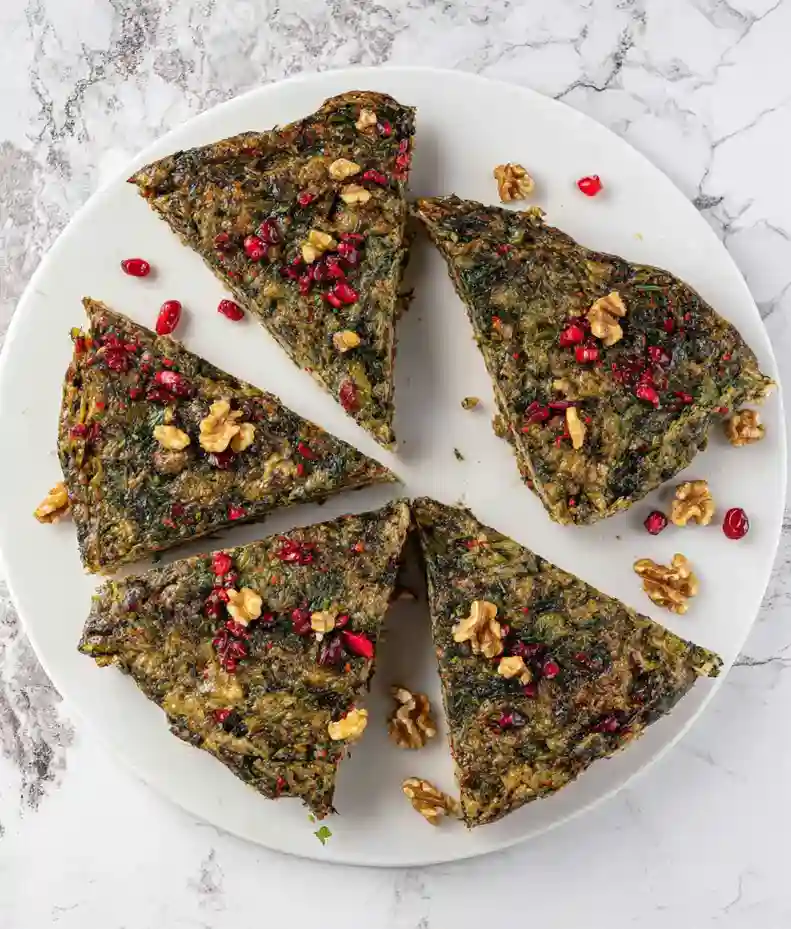
I love cooking, but sometimes I struggle with getting enough greens into my meals. This recipe is a great way to sneak in a bunch of herbs that are super flavorful, plus it’s perfect for breakfast, lunch, or even dinner.
What’s great about this dish is how easy it is to put together. With just about 35 minutes of prep time and 25 minutes of cooking, you’ll have a stunning frittata ready to serve. The best part? It tastes amazing warm or cold, so you can enjoy it any time!
If you’re looking for more frittata ideas, check this out. It’s another easy recipe that’ll keep your kitchen adventures exciting!
Why You Will Love This Recipe
- Unique Flavor Profile : The mix of fresh herbs creates an herbaceous and slightly tart taste, while the walnuts add a lovely nutty crunch that’s truly satisfying.
- Versatile Serving Options : Kuku Sabzi can be enjoyed warm or cold, making it a flexible dish for any meal. Perfect for breakfast, lunch, or snacks.
- Light and Fluffy Texture : Despite the hearty mix of herbs, this frittata stays light and fluffy, offering a delightful contrast to its vibrant flavor.
- Easy to Store : Leftovers keep well in an airtight container for up to four days. You can easily reheat or enjoy them cold, no fuss involved.
Persian Herb Frittata Recipe
- Prep Time: 35 minutes
- Cool Time: 0 minutes
- Cook Time: 25 minutes
- Total Time: 1 hour
- Yield: 8 pieces 1x
- Category: Main Course
- Method: Stovetop
- Cuisine: Persian
- Diet: Vegetarian
Description
Kuku Sabzi is a flavorful Persian herb frittata loaded with fresh herbs and nuts, perfect for any meal.
Ingredients
- 4 large eggs (approx 240g)
- 1 cup fresh parsley leaves – including tender stems (approx 60g)
- 1 cup fresh cilantro (approx 60g)
- 1 cup fresh dill (approx 60g)
- 1 cup fresh spinach (approx 30g)
- 1 cup scallions (approx 4)
- 1/3 cup walnuts, finely chopped (approx 40g)
- 1 tablespoon dried fenugreek (optional)
- 1/4 cup barberries (optional)
- 1 tablespoon all-purpose flour (approx 8g)
- 1/21/2 teaspoon turmeric powder (approx 1g)
- 11/2 teaspoon baking powder (approx 4g)
- 3 tablespoons extra virgin olive oil (approx 45ml)
- Salt and black pepper to taste
Instructions
- Prep The Herbs: Start by washing your herbs thoroughly, then dry them really well with a clean kitchen towel or paper towels. You want them to be completely dry to avoid sogginess in the kuku. Take your time with this step; damp herbs can spoil that beautiful green color you are going for!
- Chop Everything Up: Grab a sharp knife and start chopping those herbs finely. You will want to mix in some green onions, spinach, and parsley until they are just tiny bits. The aromas will fill your kitchen, and the scent of fresh herbs is so invigorating. Avoid large chunks since they will not cook evenly.
- Beat The Eggs: In a bowl, whisk your eggs together until they are just blended. It should look nice and frothy. Try not to overbeat them; you want that fluffy texture in your kuku. Overmixing can leave it dense instead of airy.
- Combine The Mixture: Gently fold your chopped herbs into the eggs, adding in a pinch of salt and spices. The mixture should look vibrant and green. Be careful not to stir too vigorously; you do not want to deflate the eggs. Too much mixing can change the fluffy texture you aim for.
- Heat The Pan: Drizzle oil in a skillet and heat it until it shimmers brightly. You will hear a gentle sizzle when you add the mixture, which is a good sign. Swirl the oil to coat the bottom evenly. Do not skimp on oil; it helps prevent sticking, so make sure it is well-greased!
- Cook The Kuku: Pour the mixture into the hot pan and let it cook over low heat. You will notice the edges begin to set, and it will smell amazing. Resist the urge to flip too early; it should cook for about ten minutes until the sides look firm. Undercooking can lead to a messy flip later.
- Flip It Safe: Using a large plate, carefully flip the kuku once the sides are set. It should slide off cleanly if you have greased it well. Be bold in your flip! This is a crucial moment, and confidence is key.
- Let It Rest: Allow the kuku to sit for a few minutes before slicing into it. This helps it keep its shape and makes it easier to cut. The aroma will still be wonderful, and letting it rest prevents it from being too crumbly. Slice with a gentle hand; you want neat pieces!
Notes
- Store leftovers in an airtight container for up to 4 days. Enjoy cold or reheat in a pan or oven.
- Thoroughly dry the herbs after washing to maintain texture.
- Chop herbs with a sharp knife for better results.
- Do not over beat the egg mixture; mix until just combined to keep a fluffy texture.
- Use enough oil to coat the entire pan to prevent burning.
- Let the kuku rest before slicing to maintain structure.
- Reheat in a pan over low heat for about 5 minutes or until warmed through.
- Serve with sabzi polo (herb rice) and fish.
- Enjoy in pita or flatbread.
- Pair with a light cucumber salad.
- Add different herbs like tarragon for unique flavor.
- Incorporate feta cheese for creaminess.
- Substitute barberries with pomegranate seeds for a fresh twist.
- Use more cilantro or dill if fresh parsley leaves are unavailable to achieve the same total amount.
- If dried fenugreek is unavailable, you may skip it or use more herbs to replace.
- Kale or Swiss chard can be used in place of fresh spinach.
- If walnuts are needed but unavailable, you may use finely chopped almonds instead.
- Dried cranberries can substitute for barberries as they are sweeter and will alter the flavor.
- You can use gluten-free flour instead of all-purpose flour if desired.
Nutrition
- Serving Size: 1 piece
- Calories: 152
- Sugar: 1g
- Sodium: 102mg
- Fat: 11g
- Saturated Fat: 2g
- Unsaturated Fat: 0g
- Trans Fat: 0g
- Carbohydrates: 9g
- Fiber: 1g
- Protein: 5g
- Cholesterol: 93mg
Find it online: https://bakeitwell.com/kuku-sabzi
Recipe Tips
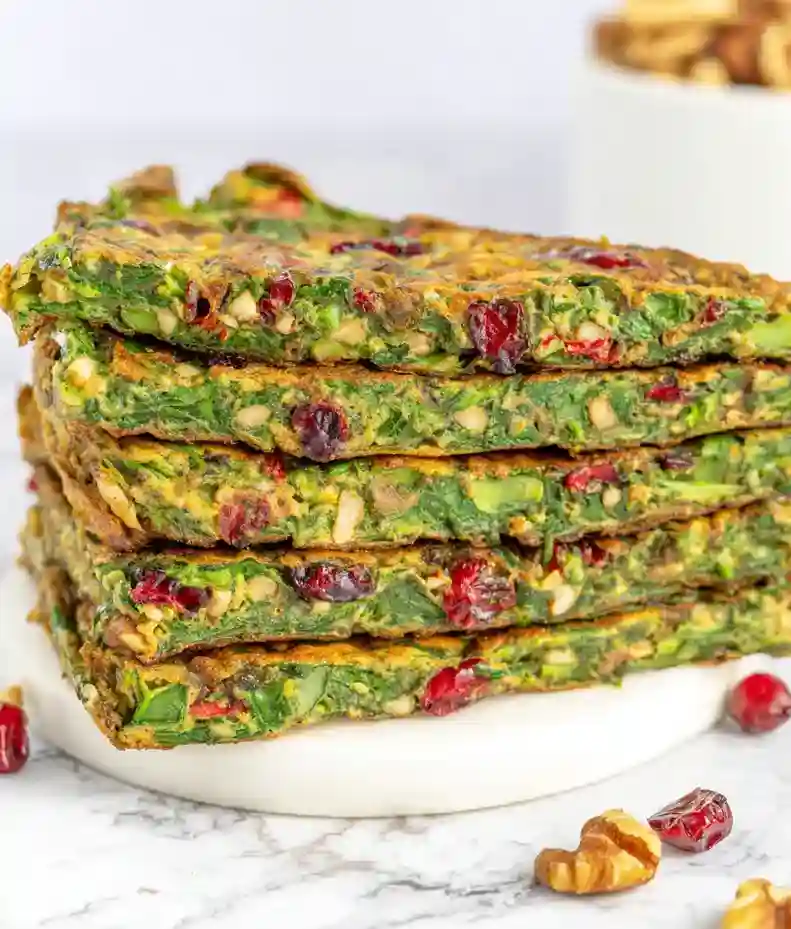
- If the kuku sabzi seems too wet after cooking, make sure to dry the herbs thoroughly before chopping to maintain the right texture.
- When flipping the frittata, using a larger plate can help make the process smoother. Flip confidently once the sides are set.
- For a more even cooking, it helps to cook on a lower heat. This allows the frittata to set without burning on the outside.
- If the herbs seem unchopped and chunky, opt for a sharp knife. This will lead to a better blend of flavors in your kuku sabzi.
- Letting the kuku rest before slicing is key to keeping it intact. Wait about 10 minutes for it to hold its shape better.
Serving Suggestions
Pair the kuku sabzi with sabzi polo and fish for a wholesome meal. Enjoy it in pita or flatbread alongside a light cucumber salad.
This frittata works well in a brunch spread or as part of a spring celebration menu. It can also complement savory pastries or different herbaceous salads.
Consider serving it with a tangy yogurt sauce for a creamy contrast. A drizzle of fresh lemon juice can enhance the dish’s herbaceous notes and brightness.
Recipe variations
- You can use asparagus or zucchini instead of scallions for a different texture and flavor in your kuku sabzi.
- Add 1 teaspoon of ground cumin or ½ teaspoon of smoked paprika for an extra layer of flavor that pairs beautifully with the herbs.
- Either nuts like pistachios or almonds can replace walnuts, providing a distinct twist and enjoyable crunch in your dish.
- If preparing for a larger group, double the recipe by using 8 eggs, 2 cups each of herbs, and adjust the remaining ingredients accordingly.
Save This Recipe!
How to Store?
To keep your kuku sabzi fresh, follow these storage tips:
Room Temperature: Store kuku sabzi in an airtight container at room temperature for up to 2 days for immediate consumption.
Refrigeration: Place kuku sabzi in an airtight container in the refrigerator for up to 4 days. Reheat in a pan or oven.
Freezing: Wrap kuku sabzi in aluminum foil or plastic wrap. Freeze in a freezer bag for up to 2 months. Thaw in the refrigerator overnight before reheating.
If you enjoyed this Kuku Sabzi or any other recipe on my blog, please leave a ⭐ star rating and let me know how it went in the comments below. I appreciate taking time to read about this recipe, thank you!
