

Spring vegetable risotto is a delightful way to savor the fresh flavors of the season. Packed with vibrant asparagus, sweet peas, and tender squash, this dish is both creamy and comforting.
This risotto recipe addresses issues of bland flavors and lack of texture, ensuring a vibrant and satisfying spring dish for any occasion.
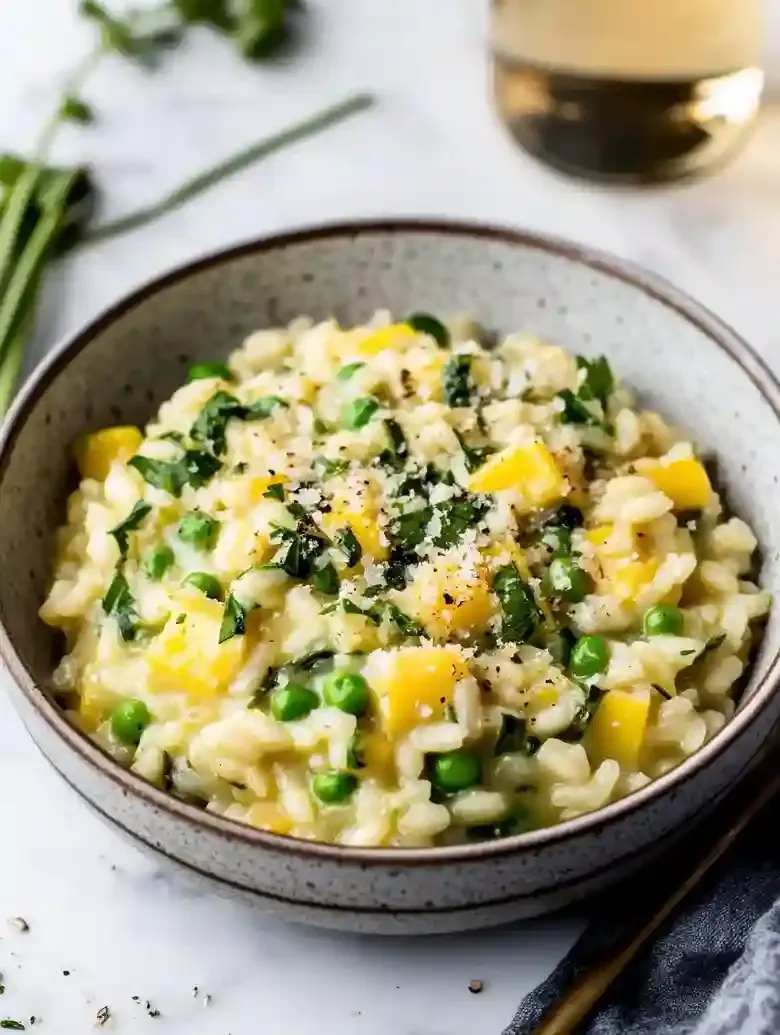
Sometimes, preparing risotto can feel a bit overwhelming, especially if you’re trying to avoid mushy rice or bland flavors. I’ve faced my fair share of challenges, like figuring out just the right amount of broth to stir in and finding the perfect balance of seasoning.
What I love about this recipe is how simple it is to follow, with a prep time of just 10 minutes and a total cooking time of about 35 minutes. It results in a creamy, dreamy risotto that’s better than many restaurant versions I’ve tried.
If you need another recipe for a cozy night, you might also enjoy my Risotto ai Porcini for a different but tasty twist!
Table of contents
Why You Will Love This Recipe
- Seasonal Freshness This dish shines with a medley of vibrant spring vegetables, bringing asparagus and peas to the forefront. Their bright colors and distinct flavors celebrate the season, making each bite a true reflection of springtime in your kitchen.
- Rich, Creamy Texture The use of arborio rice results in a luxuriously creamy consistency that clings beautifully to the vegetables. It creates a comforting texture that makes this risotto feel indulgent without needing heavy ingredients.
- Customizable Experience Feel free to mix in whatever seasonal veggies you have on hand. Substituting the squash with fresh green beans or adding spinach can personalize your risotto to suit your tastes and showcase a variety of spring produce.
- Quick Cooking Time With just a 35-minute cook time, you can whip up this dish for a weeknight dinner without extensive planning. The simple steps mean you’ll have a wholesome meal ready in no time, perfect for busy spring evenings.
Spring Vegetable Risotto with Asparagus and Peas
- Prep Time: 10 minutes
- Cool Time:
- Cook Time: 35 minutes
- Total Time: 45 minutes
- Yield: 6 servings 1x
- Category: Main Course
- Method: Stovetop Cooking
- Cuisine: Italian
- Diet: Vegetarian
Description
A creamy stovetop spring vegetable risotto with asparagus, peas, summer squash, and zucchini. Brightened with lemon and finished with Parmesan.
Ingredients
-
- 2 tablespoons (30 ml) extra virgin olive oil, divided
- 1 cup (130 g) asparagus, trimmed and cut into bite-sized pieces
- 1 cup (120 g) summer squash, cut into bite-sized pieces
- 1 cup (115 g) zucchini, cut into bite-sized pieces
- 2 cloves garlic, minced
- 1 shallot, diced
- 1 1/2 cups (285 g) arborio rice
- 1/2 cup (120 ml) white wine
- 4 cups (960 ml) vegetable stock, warm
- 2 tablespoons (28 g) unsalted butter
- 2 teaspoons (10 ml) lemon juice, freshly squeezed
- 1 teaspoon (2 g) lemon zest (from 1 lemon)
- 1/2 cup (50 g) Parmesan cheese, shredded or grated
- 1 cup (140 g) peas, fresh or frozen
- Salt, to taste
- Pepper, to taste
Instructions
- Step 1: Prepare the Broth: Warm the vegetable stock in a saucepan over low heat. Keep it warm throughout the cooking process to help the rice cook evenly and absorb flavor without temperature shock.

- Step 2: Sauté Aromatics First: Heat 1 tablespoon (15 ml) olive oil in a large pot over medium heat. Add the diced shallots and minced garlic. Stir continuously for about 3 minutes until they are soft and fragrant, forming a flavorful base.
- Step 3: Toast the Rice: Add the arborio rice to the pot with the aromatics. Stir frequently for approximately 2 minutes until the edges of the rice grains become translucent. This toasting step gives the risotto a nutty flavor and prepares the rice for liquid absorption.
- Step 4: Add Wine Gradually: Pour in the white wine and let it simmer. Stir often until the wine has mostly absorbed into the rice. This imparts acidity and depth. If you prefer not to use wine, substitute with an equal amount of warm vegetable stock.
- Step 5: Introduce Stock in Stages: Ladle in about 1 cup (240 ml) of the warm vegetable stock. Stir frequently allowing the rice to absorb the liquid before adding the next ladle. Continue this process until the rice is creamy yet al dente, which should take about 25 minutes. Avoid adding too much stock at once to prevent uneven cooking.
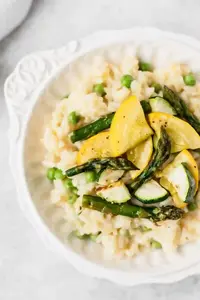
- Step 6: Incorporate Vegetables: Approximately 5 minutes before the risotto is done, stir in the peas, asparagus pieces, summer squash, and zucchini. This ensures the vegetables remain slightly crisp with bright colors.
- Step 7: Finish with Flavor Boosts: When the rice reaches a creamy and tender texture, remove the pot from the heat. Stir in the remaining 1 tablespoon (15 ml) olive oil, unsalted butter, lemon juice, lemon zest, and Parmesan cheese. This final mix adds richness, brightness, and balances the dish’s flavors. Season with salt and pepper to taste.
- Step 8: Serve and Enjoy: Spoon the risotto into serving bowls. Garnish with extra Parmesan cheese, fresh herbs such as parsley or basil, or a drizzle of olive oil if desired. Serve warm.
Notes
-
- Storage Tips:
- Room Temperature: Store risotto in an airtight container at room temperature for up to 4 hours before serving or refrigerating.
- Refrigeration: Keep risotto in an airtight container in the refrigerator for up to 3 days to maintain texture and flavor.
- Freezing: Place risotto in a freezer-safe container and freeze for up to 2 months. Thaw overnight in the refrigerator then reheat gently.
- Expert Tips:
- Use high-quality Arborio rice for the creamy risotto texture; its starch content is essential.
- Trim asparagus ends if tough by snapping them off before cutting to ensure tender bites.
- To prevent risotto from being too dry, add 1/2 cup (120 ml) warm vegetable stock slowly while stirring until creamy, especially about 5 minutes into cooking.
- Cut summer squash and zucchini into uniform 1-inch (2.5 cm) pieces for even cooking and texture.
- If the risotto tastes bland, add salt gradually while stirring, tasting after about 25 minutes of cooking to adjust seasoning.
- Garnish with fresh herbs approximately 5 minutes before serving for added color and flavor.
- Reheating Instructions:
- Reheat risotto gently over low heat with a splash of warm vegetable stock or water. Stir frequently to restore creaminess without drying out. Heat until warmed through but avoid boiling.
- Serving Suggestions:
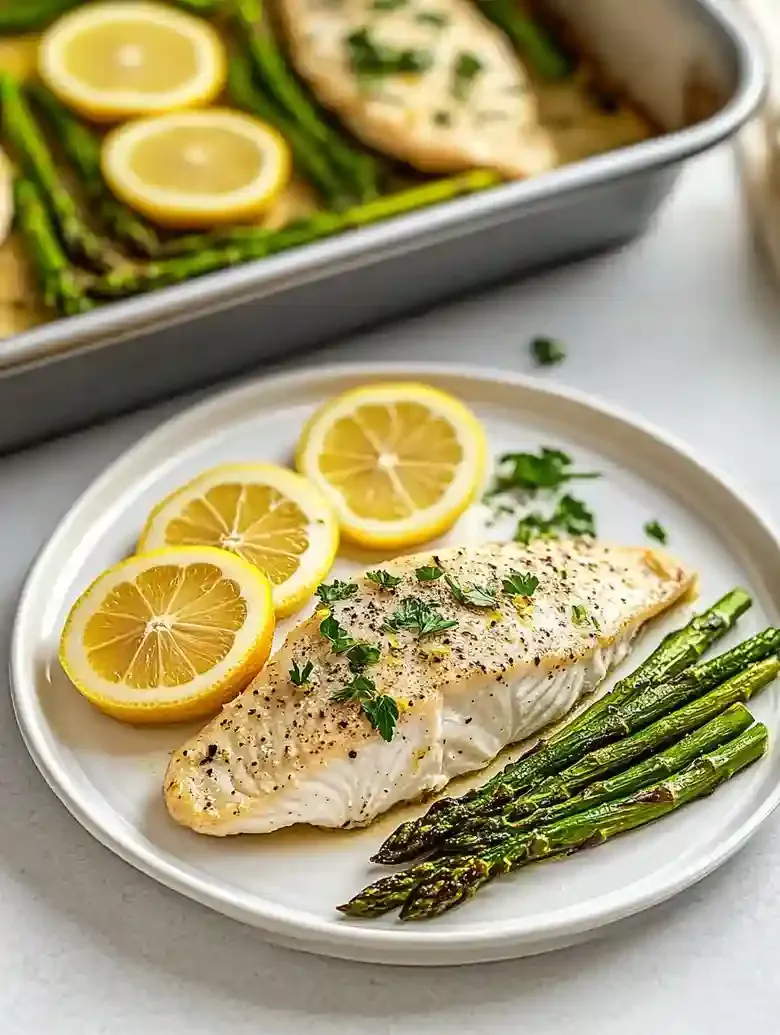
- Serve with a light arugula salad or sautéed spinach for a fresh contrast. Gluten-free garlic bread or roasted asparagus make suitable side dishes to extend spring flavors.
- Recipe Variations:
- Substitute Pecorino Romano cheese for Parmesan for a sharper flavor, using 1/2 cup (50 g).
- Swap in seasonal vegetables you prefer or have on hand, maintaining equal volume (about 3 cups total for peas, asparagus, squash, and zucchini).
- For a non-alcoholic version, replace white wine with an additional 1/2 cup (120 ml) warm vegetable stock.
- Ingredient Notes:
- Select firm, straight asparagus stalks with vibrant green color and trim off woody ends.
- Use fresh or frozen peas for sweetness and optimal texture; avoid canned peas.
- Choose a dry white wine you enjoy drinking, such as Pinot Grigio or Sauvignon Blanc, to enhance flavor.
- Freshly grate Parmesan cheese for best flavor and creaminess; Pecorino Romano is an alternative.
- Unsalted butter is preferred to control seasoning while adding richness.
- Shallots should be firm and free of soft spots for their mild, sweet onion flavor.
Nutrition
- Serving Size: 1 serving
- Calories: 350
- Sugar: 1g
- Sodium: 600mg
- Fat: 20g
- Saturated Fat: 7g
- Unsaturated Fat: 10g
- Trans Fat: 0g
- Carbohydrates: 15g
- Fiber: 1g
- Protein: 30g
- Cholesterol: 90mg
Ingredient Notes
- Arborio rice: You’ll need good quality Arborio rice for that creamy texture. It’s got the right starch levels, so don’t swap it out for regular rice.
- Vegetable broth: Use low-sodium vegetable broth to control the saltiness. It adds great flavor, so go for a brand without artificial additives for the best taste.
- Asparagus: Fresh asparagus is key! Look for bright green stalks that are firm. Avoid any that are wilted or mushy, as they won’t give you that nice crunch.
- Peas: Opt for fresh or frozen peas, as they brighten the dish with color and sweetness. They should be vibrant and firm; canned peas won’t give the same freshness!
- Onion: A medium yellow onion works well for a base flavor. Make sure it’s firm with no soft spots, as freshness makes a difference in the overall taste.
- Garlic: Fresh garlic cloves add a wonderful aroma! Use whole cloves instead of pre-minced to avoid that artificial taste; chop them just before use for maximum flavor.
- Parmesan cheese: Good quality freshly grated Parmesan adds a savory kick and creaminess. Avoid pre-grated varieties; they don’t melt the same and lack flavor.
- Olive oil: Use a high-quality extra virgin olive oil for sautéing; it enhances flavors beautifully. Look for a brand in dark glass bottles to protect its freshness.
- Black pepper: Freshly ground black pepper adds a nice kick and flavor depth. Grind it just before adding it to the risotto for best results.
- Arborio rice: You’ll need good quality Arborio rice for that creamy texture. It’s got the right starch levels, so don’t swap it out for regular rice.
- Vegetable broth: Use low-sodium vegetable broth to control the saltiness. It adds great flavor, so go for a brand without artificial additives for the best taste.
- Asparagus: Fresh asparagus is key! Look for bright green stalks that are firm. Avoid any that are wilted or mushy, as they won’t give you that nice crunch.
- Peas: Opt for fresh or frozen peas, as they brighten the dish with color and sweetness. They should be vibrant and firm; canned peas won’t give the same freshness!
- Onion: A medium yellow onion works well for a base flavor. Make sure it’s firm with no soft spots, as freshness makes a difference in the overall taste.
- Garlic: Fresh garlic cloves add a wonderful aroma! Use whole cloves instead of pre-minced to avoid that artificial taste; chop them just before use for maximum flavor.
- Parmesan cheese: Good quality freshly grated Parmesan adds a savory kick and creaminess. Avoid pre-grated varieties; they don’t melt the same and lack flavor.
- Olive oil: Use a high-quality extra virgin olive oil for sautéing; it enhances flavors beautifully. Look for a brand in dark glass bottles to protect its freshness.
- Black pepper: Freshly ground black pepper adds a nice kick and flavor depth. Grind it just before adding it to the risotto for best results.
Recipe Tips
- If asparagus is too firm, steam it for 2-3 minutes before adding to the risotto to soften its texture and enhance flavor.
- When rice is too dry while cooking, add stock 1/2 cup at a time, stirring until absorbed to maintain the desired creamy consistency.
- If the risotto thickens too much, adjust by adding more warm vegetable stock, a little at a time, until reaching the desired creaminess.
- For unevenly cooked grains, stir consistently for the last 10 minutes of cooking to help the rice cook through and release starches uniformly.
- If the risotto feels bland, add extra salt during the final minutes of cooking, tasting incrementally to achieve the optimal flavor profile.
Serving Suggestions
Serve with a simple side salad of arugula and lemon vinaigrette or roasted seasonal vegetables like carrots and bell peppers. You can also enjoy this dish alongside garlic-rubbed toasted gluten-free bread for added texture.
Use to make stuffed bell pepper filling or a savory vegetable pie. Add to vegetable stir-fries or mix with quinoa for a unique bowl meal.
Top with a drizzle of lemon-infused olive oil or a sprinkle of fresh herbs like basil and parsley. You can also enhance flavor with grated Parmesan or a light balsamic glaze before serving.
Recipe variations
- You can use fresh asparagus, zucchini, or summer squash as the main spring vegetables, cutting them into bite-size pieces for roasting before mixing with the risotto.
- Add 2 cloves minced garlic and 1 diced shallot to the sauté step, using 2 tablespoons extra virgin olive oil for roasting and sautéing the vegetables and aromatics.
- Either fresh or frozen peas can be used; fresh peas retain more texture while frozen ones offer convenience and consistent sweetness in the risotto.
- If using this recipe for more than 6 servings, double ingredients accordingly, increasing arborio rice to 3 cups and vegetable stock to 8 cups, maintaining stirring frequency.
- This spring vegetable risotto recipe pairs well with light dishes like my Asparagus Risotto, which offers a similar fresh vegetable profile for variety.
Save This Recipe!
How to Store?
To keep your spring vegetable risotto fresh and delicious, follow these storage tips:
Room Temperature: Place risotto in an airtight container at room temperature up to 2 days. Stir well before serving to restore creaminess.
Refrigeration: Store risotto in an airtight container in the refrigerator up to 5 days. Reheat gently on low heat with added stock or water.
Freezing: Transfer risotto to a freezer-safe container or bag. Freeze for up to 2 months. Thaw overnight in the refrigerator before reheating.
Other Recipes You’ll Love
If you enjoyed this spring vegetable risotto or any other recipe on my blog, please leave a ⭐ star rating and let me know how it went in the comments below. I appreciate taking time to read about this recipe, thank you!
