Description
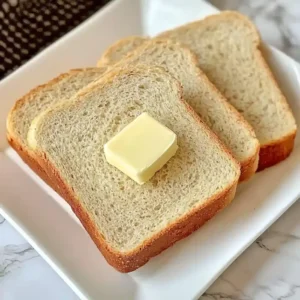
A classic oatmeal bread recipe that is nutritious and easy to make, perfect for sandwiches or to enjoy with butter.
Ingredients
Scale
- 1 cup (90g) oatmeal (regular, not quick oats)
- 1 cup (240ml) boiling water
- 1/2 cup (120ml) warm water (about 110 degrees F)
- 2 1/41/2 teaspoons (7g) dry active yeast (1 envelope)
- 2 1/2 cups (315g) all-purpose flour
- 2 tablespoons (30g) brown sugar
- 11/2 teaspoon (6g) salt
- 2 tablespoons (30g) butter, cut into about 12 pieces, plus more for greasing the bowl and pan
Instructions
- Mix Ingredients Together: Start by mixing the oats, flour, yeast, and salt in a bowl until well combined. You will notice a nutty aroma wafting up as you stir. It is important to mix them well to ensure even distribution of the yeast, so you do not end up with uneven rising spots.
- Add Warm Liquid: Pour in the warm water slowly while stirring your mixture. The warmth helps activate the yeast, and the mix will start to come together. Make sure the water’s not too hot; otherwise, it might kill the yeast, which is a common mishap.
- Knead The Dough: Transfer the mixture onto a lightly floured surface and start kneading. You will want to work it for a good amount of time until it feels smooth and elastic, about 8 to 10 minutes. If it gets too sticky, do not hesitate to sprinkle a little more flour.
- Let The Dough Rise: Place the kneaded dough in a greased bowl and cover it with a cloth. Let it rise in a warm spot until it doubles in size, which usually takes about an hour. The dough will feel puffy when it is ready; keeping it covered is key so it does not dry out.
- Shape The Dough: After rising, punch down the dough gently to remove air bubbles, then shape it into a loaf. You will notice its elasticity as you form it. Be careful not to overwork it during this step as that can lead to a denser loaf.
- Final Rise Before Baking: Place the shaped loaf in a greased pan and cover it again for another rise. Give it about 30 minutes until it puffs up. It is crucial to let it rest; rushing this step might result in a loaf that is not fluffy.
- Bake The Bread: Preheat your oven and pop the pan in once it is at the right temperature. You will smell that lovely, warm bread scent filling your kitchen. Keep an eye on the baking time, as too long can lead to a crust that is a bit hard.
- Cool & Slice: After baking, take the bread out and let it cool in the pan for a few minutes, then transfer it to a wire rack. Cooling is important to keep the crust from getting soggy. It is tempting to slice it right away, but waiting helps with nicer cuts. Enjoy!
Notes
- Storage Tips: Keep your oatmeal bread at room temperature in a plastic bag for up to 2 days. For longer storage, wrap well and freeze for up to 2-3 months, ensuring it is cooled to room temperature first.
- Expert Tips: Use a kitchen thermometer to check the temperature of the warm water for yeast activation.
- Let dough rise in a warm location at around 80-85 degrees F for optimal results.
- If dough does not stick when rolling, a bit of water can help it adhere.
- Reheating Instructions: To reheat, place slices in a toaster or microwave on low until warmed through.
- Serving Suggestions: Serve warm with salted butter. Pair with honey or jam. Enjoy with a hearty soup on a chilly day.
- Recipe Variations: Add raisins for a sweeter touch. Sprinkle with nuts before baking for added crunch. Incorporate cinnamon for a spiced version.
- Ingredient Notes: Use fresh yeast to ensure proper activation. Measure flour accurately to avoid a dense loaf. Monitor baking closely to prevent over-browning of the crust.
Nutrition
- Serving Size: 1 slice
- Calories: 101
- Sugar: 1g
- Sodium: 146mg
- Fat: 2g
- Saturated Fat: 1g
- Unsaturated Fat: 0g
- Trans Fat: 0g
- Carbohydrates: 18g
- Fiber: 1g
- Protein: 3g
- Cholesterol: 4mg