

Vegetable lasagna is a comforting dish filled with layers of delicious veggies, creamy ricotta, and melty cheese. This spring vegetable lasagna recipe with white sauce is a great way to showcase seasonal ingredients like fresh spinach and zucchini.
This vegetable lasagna recipe addresses issues of dryness, blandness, and watery layers common in many lasagna dishes. It offers flavorful and appealing alternatives.
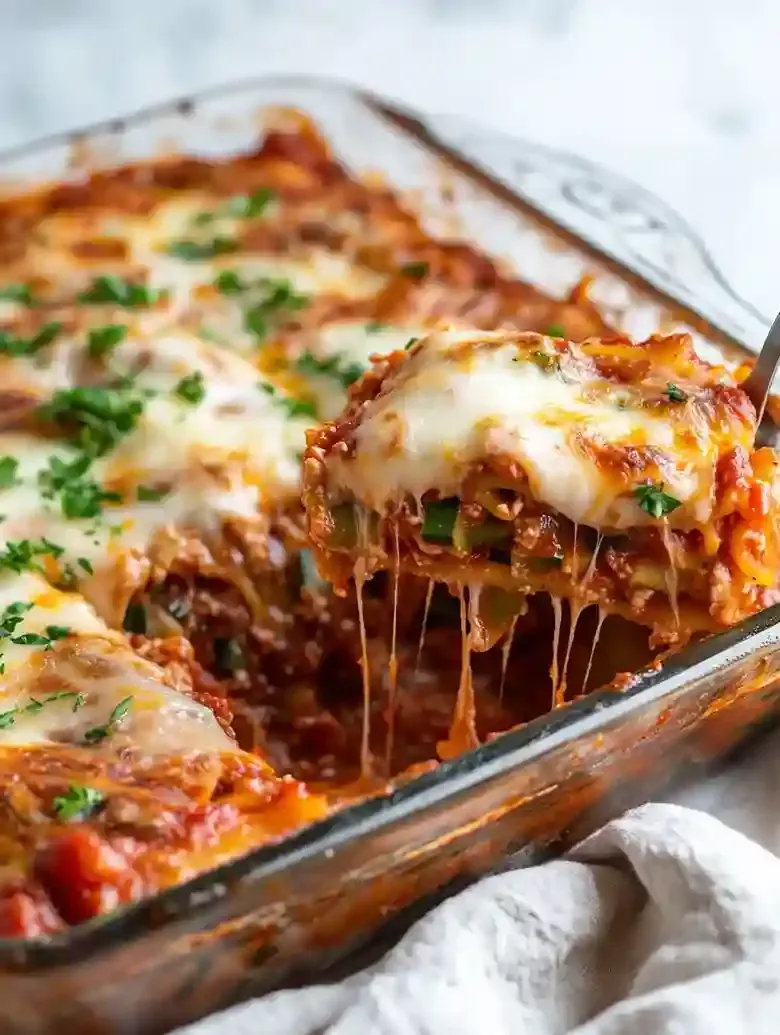
I often find that traditional vegetable lasagna can feel heavy and bland. With this easy spring vegetable lasagna recipe, I’ve swapped out some ingredients to make it more vibrant and lighter. There’s nothing worse than a soupy, overcooked lasagna, and I’ve faced that issue before!
What I love about this recipe is the balance of creamy layers and tender vegetables, plus it bakes in about 50 minutes. After letting it rest for 15 minutes, each slice holds together beautifully.
If you’re in the mood for a bit more creativity, check out my broccolini frittata.
Table of contents
Why You Will Love This Recipe
- Layered Goodness , The structure of this vegetable lasagna allows for a delightful combination of flavors and textures. Every layer of noodles, sauce, and cheese melds into a hearty dish that pleases both the palate and the eyes.
- Seasonal Freshness , This lasagna celebrates spring by featuring a variety of fresh vegetables. Asparagus, zucchini, and spinach shine, offering not just vibrant colors, but also a taste that highlights the season’s bounty.
- Easy Prep Time , With just about 45 minutes of preparation, you’ve got a filling dish ready to bake. This makes it a great option for busy weeknights or weekend get-togethers with family and friends.
- Long-Lasting Flavor , The flavors develop beautifully as this dish rests after baking. With a 15-minute resting time, you get a lasagna that’s just as tasty on day two, making it perfect for leftovers!

Vegetable Lasagna with Spring Pasta
- Prep Time: 45 minutes
- Cool Time: 15 minutes
- Cook Time: 50 minutes
- Total Time: 1 hour 50 minutes
- Yield: 12 servings 1x
- Category: Main Course
- Method: Baking
- Cuisine: Italian
- Diet: Vegetarian
Description
Delicious and hearty vegetable lasagna packed with layers of fresh vegetables and creamy ricotta cheese.
Ingredients
- 2 tablespoons (30 ml) olive oil
- 1 ½ cups (about 1 medium) yellow onion, diced
- 1 whole (about 6–7 oz / 170-200 g) red bell pepper, diced
- 8 ounces (225 g) cremini mushrooms, sliced
- 2 medium (about 12 oz / 340 g) zucchini, sliced thin
- 4 cloves garlic, minced
- 48 ounces (1360 g) marinara sauce, store-bought or homemade
- 1 teaspoon dried Italian seasoning
- Salt and pepper, to taste
- 2 pinches crushed red pepper flakes
- ¼ cup (15 g) fresh parsley, chopped
- 5 ounces (140 g) fresh spinach, coarsely chopped
- 1 whole large egg, beaten
- 1 cup (245 g) ricotta cheese, preferably whole milk, lightly drained
- 9 oven-ready lasagna noodles
- 16 ounces (454 g, about 4 cups) shredded low-moisture mozzarella cheese
- ½ cup (50 g) freshly grated Parmesan cheese
- Optional: Fresh basil or parsley for garnish
Instructions
- Step 1: Preheat your oven to 375°F (190°C) and allow it to fully heat before baking.

- Step 2: Heat olive oil in a large skillet over medium-high heat. Add the diced onion, red bell pepper, and sliced zucchini. Sauté for about 5 to 7 minutes until softened, adjusting heat to medium if vegetables brown too quickly.
- Step 3: Stir in the minced garlic and cook for an additional 1 minute until fragrant.
- Step 4: Pour in the marinara sauce along with dried Italian seasoning, salt, pepper, and crushed red pepper flakes. Let the mixture simmer for 5 to 10 minutes to allow the flavors to meld and vegetables to be coated evenly. If the sauce becomes too watery, stir in 2 tablespoons (16 g) of cornstarch before layering.
- Step 5: In a mixing bowl, combine ricotta cheese with the beaten egg, salt, and pepper. Mix until smooth and creamy.
- Step 6: In the baking dish, assemble the lasagna by layering as follows:
- Step 7: First layer: Spread a thin layer of the vegetable and marinara sauce mixture on the bottom.
- Step 8: Second layer: Arrange 3 oven-ready noodles over the sauce.
- Step 9: Third layer: Spread a portion of the ricotta mixture evenly over the noodles.
- Step 10: Fourth layer: Add a layer of sautéed vegetables and spinach.
- Step 11: Fifth layer: Sprinkle shredded mozzarella cheese over the vegetables.
- Step 12: Repeat layering two more times, finishing with noodles topped with remaining sauce and mozzarella. Sprinkle Parmesan cheese evenly on top.
- Step 13: Cover the baking dish tightly with aluminum foil. Bake in the preheated oven at 375°F (190°C) for 30 minutes. Rotate the lasagna 180 degrees halfway through baking for even cooking and melting. If the cheese is not melted properly near the end, increase oven temperature to 400°F (204°C) and bake an additional 5 minutes while monitoring closely.
- Step 14: Remove the lasagna from the oven and let it rest for 15 minutes without uncovering. This is critical to allow the layers to set and the dish to firm up, making it easier to cut and serve without becoming soupy.


Notes
- Room Temperature: Store leftovers in an airtight container at room temperature and consume within 2 days for best texture and flavor.
- Refrigeration: Place cooled lasagna in an airtight container, refrigerate up to 5 days.
- Freezing: Wrap tightly in plastic wrap and aluminum foil or store in a freezer-safe container. Freeze for up to 3 months. Thaw overnight in the refrigerator before reheating.
- Use oven-ready lasagna noodles to save time but ensure proper layering and cooking to avoid toughness.
- Drain ricotta lightly to reduce moisture and prevent sogginess.
- Use fresh spinach with vibrant green leaves or well-drained frozen spinach.
- Use low-moisture mozzarella for better melting; avoid fresh mozzarella that may make the dish watery.
- Sauté vegetables just until softened to maintain their structure in the final dish.
- Adjust seasoning by tasting your vegetable sauce before layering to ensure balance.
- If the vegetables brown too fast during sautéing, reduce to medium heat and extend cooking time to 5-7 minutes.
- Reheat leftovers in a 350°F (177°C) oven for 20-25 minutes until heated through. Cover with foil to prevent over-browning or drying out.
- Serve with a crunchy side salad or garlic knots to complement the vegetable lasagna.
- Roasted asparagus or sautéed green beans are excellent vegetable sides to accompany this dish.
- Garnish with fresh basil, chopped parsley, or a drizzle of olive oil for added aroma and flavor.
- Substitute zucchini with yellow squash or asparagus for seasonal variations.
- Use spiralized zucchini for a lighter layering option.
- Make lasagna rolls or stuff bell peppers with this vegetable filling for an alternate presentation.
- Select firm zucchini with shiny skin for best texture.
- Choose a high-quality robust marinara sauce without added sugars for balanced flavor.
- Freshly grate Parmesan cheese to add deeper flavor than pre-grated versions.
- Use whole milk ricotta cheese for creaminess and texture.
- Fresh vegetables add vibrancy and seasonal freshness, but frozen can be used if well drained.
Nutrition
- Serving Size: 1 slice
- Calories: Not specified
- Sugar: Not specified
- Sodium: Not specified
- Fat: Not specified
- Saturated Fat: Not specified
- Unsaturated Fat: Not specified
- Trans Fat: Not specified
- Carbohydrates: Not specified
- Fiber: Not specified
- Protein: Not specified
- Cholesterol: Not specified
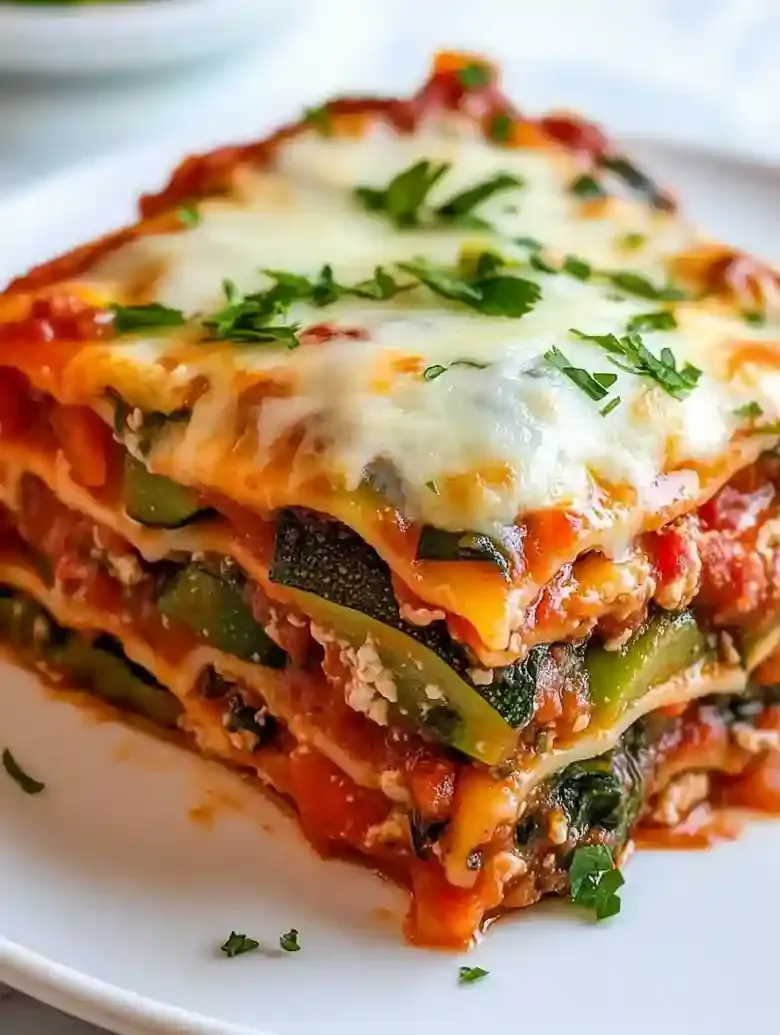
Ingredient Notes
- Lasagna noodles: Look for long, flat noodles that cook well. No-boil varieties save time, but regular ones create a sturdier lasagna if baked properly.
- Ricotta cheese: I prefer whole milk ricotta for creaminess. It makes a big difference in texture. Drain it lightly for less moisture, preventing sogginess.
- Spinach: Fresh spinach is best for flavor and texture. Choose vibrant green leaves, avoiding any yellow or wilted ones. You can use frozen, but ensure it’s well-drained.
- Mozzarella cheese: Use good quality, low-moisture mozzarella for meltiness. Slice or shred it, but avoid fresh mozzarella here as it can make the lasagna watery.
- Marinara sauce: A robust store-bought marinara with nice seasoning enhances the flavor easily. Look for one without added sugars for better balance.
- Zucchini: Pick firm zucchini with shiny skin for the best texture. Slice thinly to layer well, or use a spiralizer if you prefer a lighter feel in your dish.
- Parmesan cheese: Freshly grated Parmesan adds a punch of flavor. It’s worth the extra effort compared to pre-grated versions, which lack depth.
- Lasagna noodles: Look for long, flat noodles that cook well. No-boil varieties save time, but regular ones create a sturdier lasagna if baked properly.
- Ricotta cheese: I prefer whole milk ricotta for creaminess. It makes a big difference in texture. Drain it lightly for less moisture, preventing sogginess.
- Spinach: Fresh spinach is best for flavor and texture. Choose vibrant green leaves, avoiding any yellow or wilted ones. You can use frozen, but ensure it’s well-drained.
- Mozzarella cheese: Use good quality, low-moisture mozzarella for meltiness. Slice or shred it, but avoid fresh mozzarella here as it can make the lasagna watery.
- Marinara sauce: A robust store-bought marinara with nice seasoning enhances the flavor easily. Look for one without added sugars for better balance.
- Zucchini: Pick firm zucchini with shiny skin for the best texture. Slice thinly to layer well, or use a spiralizer if you prefer a lighter feel in your dish.
- Parmesan cheese: Freshly grated Parmesan adds a punch of flavor. It’s worth the extra effort compared to pre-grated versions, which lack depth.
Recipe Tips
- If your vegetables are browning too quickly while sautéing, reduce heat to medium and cook for 5-7 minutes instead of the initial high heat.
- When your lasagna appears too watery, add 2 tablespoons of cornstarch to the marinara sauce before layering for better consistency.
- If the cheese is not melting properly on top, increase the oven temperature to 400° F and bake for an additional 5 minutes, monitoring closely.
- For uneven browning, rotate the lasagna 180 degrees halfway through baking to ensure even cooking and cheese melting.
- If you’re using seasonal veggies and want to adjust flavors, remember to taste the filling before layering; this way, you can season as needed.
Serving Suggestions
Serve with a crunchy side salad or garlic knots for added flavors. Roasted asparagus or sautéed green beans also makes a great side for this dish.
Use to make vegetable lasagna rolls or layer it into stuffed bell peppers for variety. Add to a pasta salad or mix it with grilled vegetables for a hearty dish.
Top with a sprinkle of grated Parmesan or a drizzle of olive oil for finishing touches. Fresh basil or Italian seasoning brings an aromatic flavor to the vegetable lasagna.
Recipe variations
- You can use yellow squash instead of zucchini for the vegetable layer in this vegetable lasagna, which provides similar moisture and texture.
- Add 1 teaspoon of dried Italian seasoning along with 2 pinches of crushed red pepper flakes to the marinara sauce to bring a herby and slightly spicy flavor.
- Either fresh or oven-ready lasagna noodles can be chosen; oven-ready noodles save preparation time without sacrificing texture in the layers.
- If making for more people, double the marinara sauce to 96 ounces and increase shredded mozzarella cheese to 32 ounces for an extended 24-serving option.
Save This Recipe!
How to Store?
To keep your vegetable lasagna fresh and delicious, follow these storage tips:
Room Temperature: Place in an airtight container, keep at room temperature, consume within 2 days to maintain best texture and flavor.
Refrigeration: Store in an airtight container inside the refrigerator up to 5 days. Allow the lasagna to cool completely before refrigerating.
Freezing: Wrap tightly with plastic wrap and aluminum foil or use a freezer container. Freeze up to 3 months. Thaw in the refrigerator overnight.
Other Recipes You’ll Love
If you enjoyed this vegetable lasagna or any other recipe on my blog, please leave a ⭐ star rating and let me know how it went in the comments below. I appreciate taking time to read about this recipe, thank you!
