Description
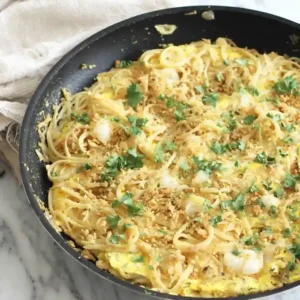
A delicious pasta frittata recipe that transforms leftover pasta into a comforting dish, perfect for breakfast or brunch.
Ingredients
Scale
- 1 pound (454 grams) leftover pasta, cooked until al dente
- 6 large eggs
- 1/2 cup (50 grams) hard cheese, such as parmesan and/or cheddar, grated
- 1/3 cup (30 grams) melting cheese, such as mozzarella, grated
- 3–4 tablespoons (45–60 milliliters) cream
- 2 tablespoons (8 grams) fresh parsley, chopped
- Salt and pepper
- 1–2 tablespoons (15–30 milliliters) butter or olive oil
Instructions
- Cook Pasta & Drain: Start by cooking your leftover pasta until it’s al dente; it should have a nice bite to it. Drain it and let it sit for a bit so it is not too hot when you mix it later. If it sits too long, it might stick together, making your frittata less fluffy.
- Whisk Eggs & Season: Grab a bowl and whisk the eggs until they are nicely blended and a bit frothy; you want that airy vibe for a light frittata. Toss in some salt and pepper for taste. If you are into it, throw in some herbs for a fresh touch. Do not skimp on seasoning or it will taste bland.
- Heat Pan & Add Oil: Put a non-stick skillet on medium heat and add some oil to it until it shimmers; this helps prevent sticking. Your pan needs to be hot enough to sizzle a drop of egg but not so hot that the oil smokes. If it is too cool, your frittata might not set properly.
- Mix Pasta & Eggs: Stir the cooked pasta into the egg mixture until everything is nicely coated; it will smell comforting and inviting. This is where the magic happens, as the pasta soaks up the flavors. Watch out for clumping—toss it gently for an even mix.
- Pour Mixture & Cook: Carefully pour your pasta and egg mix into the skillet, making sure it spreads out evenly. You will see the edges start to firm up after a few minutes. If it looks uneven or starts to brown too quickly, you might need to adjust your heat.
- Finish in Oven: Pop the skillet in the preheated oven until the top is set and lightly golden; this should take about ten minutes. The cheese will bubble a bit, and it will smell divine. Keep an eye on it—if it browns too fast, take it out and let it cool a touch before slicing.
- Slice & Serve Warm: Once it cools down slightly, slice your frittata into wedges and serve it warm. The combination of flavors should feel just right. If you leave it in the oven too long, it might dry out, so keep that in mind!
Notes
- Refrigerate: Store in an airtight container in the refrigerator for several days.
- Freezing: Can be frozen for up to a month, wrapped well in plastic wrap and aluminum foil or in a freezer-safe container.
- If your frittata comes out too dry, try reducing baking time by a few minutes to maintain a creamier texture.
- When mixing the pasta and eggs, ensure an even spread to prevent uneven cooking and achieve a consistent texture throughout.
- For a non-stick finish, using enough butter or oil is key. Preheat your pan adequately before pouring in the mixture.
- If your pasta is salty, adjust the seasoning accordingly to achieve a balance and prevent overwhelming flavors in your frittata.
- For an exciting twist, consider swapping in goat cheese or mozzarella for a different taste profile that elevates the dish.
- To reheat, warm in the oven at 350 degrees F for about 10-15 minutes or until heated through.
- Serve with a side salad for a light meal.
- Pair with crusty bread or garlic toast.
- Top with fresh herbs or a dollop of salsa.
- Replace cream with Greek yogurt for a lighter option.
- Add spinach and feta for a Mediterranean twist.
- Use different types of cheese for unique flavors.
- Select high-quality pasta for the best taste.
- Consider using leftover pasta with strong flavors to enhance the dish.
- For different dietary preferences, explore using gluten-free pasta.
Nutrition
- Serving Size: 1 serving
- Calories: 350
- Sugar: 1g
- Sodium: 600mg
- Fat: 20g
- Saturated Fat: 7g
- Unsaturated Fat: 10g
- Trans Fat: 0g
- Carbohydrates: 15g
- Fiber: 1g
- Protein: 30g
- Cholesterol: 90mg